Radiolabelling and Radiosynthesis
What is Radiolabelling and Radiosynthesis?
Radiolabelling or Radiosynthesis is the technique used to incorporate a radioactive isotope into a molecule or compound.
Radiolabelled compounds play a crucial role in preclinical and clinical studies, offering sensitivity in tracing compound absorption, distribution, metabolism, and excretion (ADME), and are crucial to supporting drug development.
The fate and metabolism of radiolabelled compounds can also be studied in environmental situations, such as soil, water and air. The isotope of choice depends on the specific application.
Radiolabelling and Radiosynthesis Services
Our radiochemistry team provides expert advice on radiosynthesis and preparation and release of radiolabelled test compounds for use in non-clinical and clinical drug development and environmental fate studies. We offer complete management of the radiosynthesis process, from labeling position selection, optimizing the radiosynthesis pathway, and final product analysis to repurification and recycling options. We also offer covalent radiolabelling/radio tagging techniques with 3H and 14C for biologics.
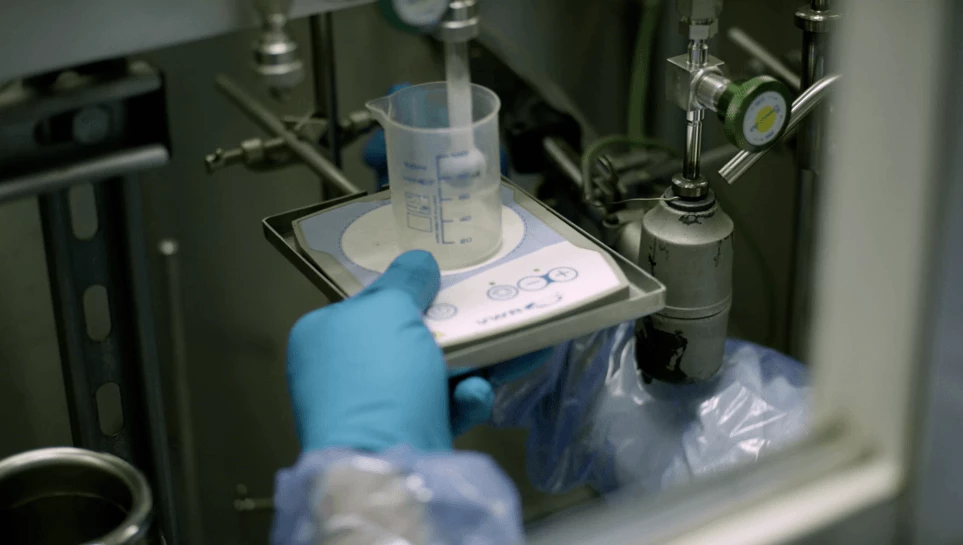
Radiosynthesis Services
- 14C radiosynthesis (custom)
- 3H radiosynthesis (custom)
- GMP preparation of 14C radiolabelled drug substance (14C-API) and radiolabelled drug product (investigational medicinal product or IMP)
- Non-GMP clinical-grade repurified 14C-API (for use in micro tracer or micro-dosing studies)
- 3H and 14C rapid covalent radio-tagging techniques
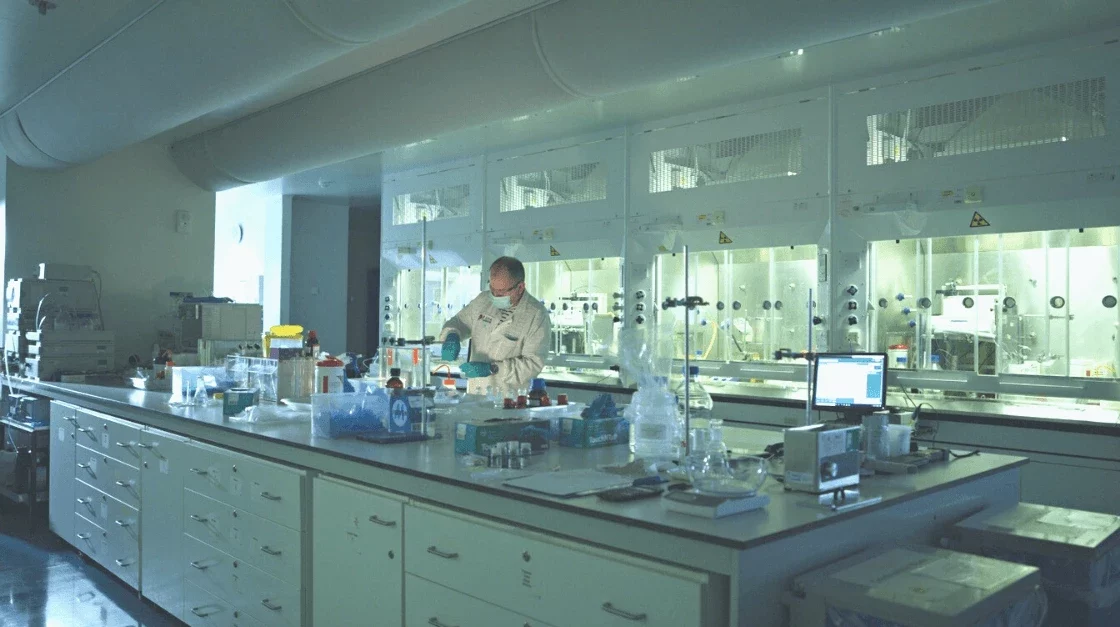
Custom Carbon-14 Radiosynthesis Services
- Volatile compounds
- Aromatics and heterocyclics
- Chiral compound
- Salt formation
- Amino acids and peptides
- Biomolecules using fermentation (Class 1 containment)
- Covalent radiolabelling techniques with 14C (RadioTag) for macromolecules

Request more information about our drug discovery, preclinical and clinical development services.
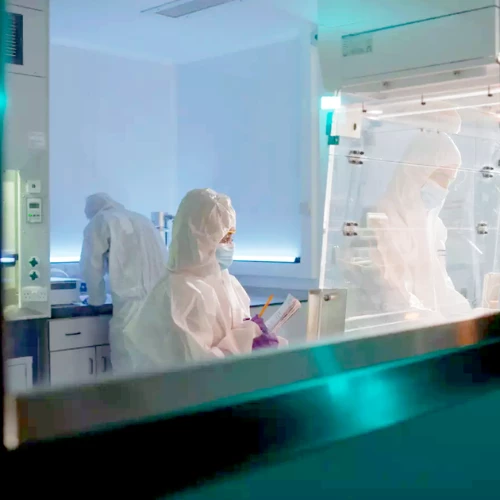
Learn about Pharmaron’s capability to synthesize radiolabelled oligonucleotides.